Military Fellows Program
Established in 2019 with support from the Carnegie Corporation of New York, the Watson School’s Military Fellows Program brings U.S. and international military officers to the school. For one year, fellows participate in security-related research, seminars, classes, and public events alongside faculty, students and policy practitioners.
Military Fellows Program
Established in 2019 with support from the Carnegie Corporation of New York, the Watson School’s Military Fellows Program brings U.S. and international military officers to the school. For one year, fellows participate in security-related research, seminars, classes, and public events alongside faculty, students and policy practitioners.
Research
https://www.youtube.com/embed/DZ9yjnobLpk
Active-Duty Fellows
-
Michelle Ferguson
Visiting Scholar in International and Public Affairs -
Hong Min Baik
Visiting Scholar in International and Public Affairs
Veteran Fellows
-
Thomas Gibbons-Neff
Visiting Scholar in International and Public Affairs
Policy Mentors
-
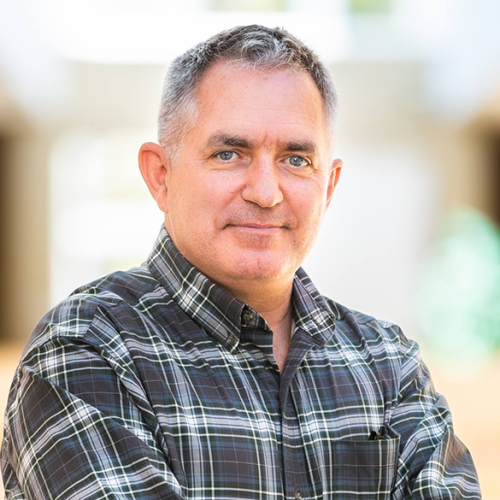
Christopher Chivers
Visiting Professor of the Practice of English -
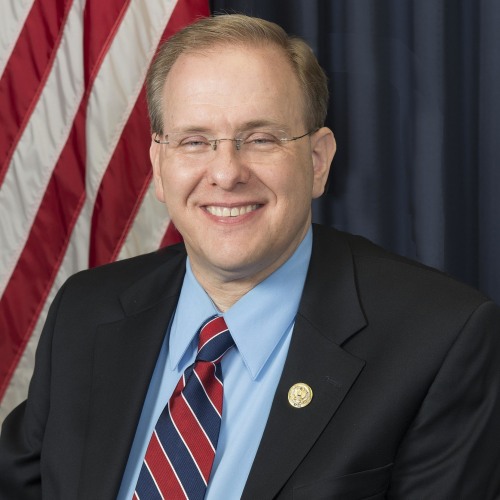
Jim Langevin
Watson Military Policy Mentor 2025-2026, Former Senior Fellow in International and Public Affairs
Recent News
View All Military Fellows Program News Watson School Military Fellow, Hillery Anderson, a Lt. Col. in the U.S. Air Force, came to the Watson School of International and Public Affairs after serving at the Pentagon to research issues relating to artificial intelligence and education. According to Anderson, the Air Force must prepare now for how AI will impact future recruits to keep pace with China.
Read Article
News from Watson
Top ‘News from Watson’ stories of 2023
2023 was an exciting year at the Watson Institute for International and Public Affairs with the Institute welcoming its largest-ever cohort of military fellows, celebrating 10 years of the China Initiative and welcoming new leaders. This year’s top 10 stories from the Watson Institute appear below.
Read Article
News from Watson
Watson welcomes largest-ever cohort of military fellows
The Watson Institute recently welcomed a new cohort to its Military Fellows Program for the 2023-2024 academic year. The six new fellows will spend the next year immersed in Watson's scholarly community, engaging with students and faculty, taking classes, giving special lectures, attending seminars and conducting research.
Read Article